Comparison Guide
Interior designer vs interior decorator: which fit makes sense for your project?
The difference matters most when your project goes beyond styling and starts touching layout, renovation planning, built-ins, or construction decisions.

How to frame the decision
An interior decorator typically focuses on furnishings, finishes, colour, and the visual layer of a room. An interior designer can also address those elements, but the role often goes deeper into space planning, renovation thinking, functional changes, and the decisions that shape how a home works.
If your project is mainly about refresh and styling, decoration may be enough. If the room needs rethinking, coordination, or a stronger planning process, a designer is usually the better fit.
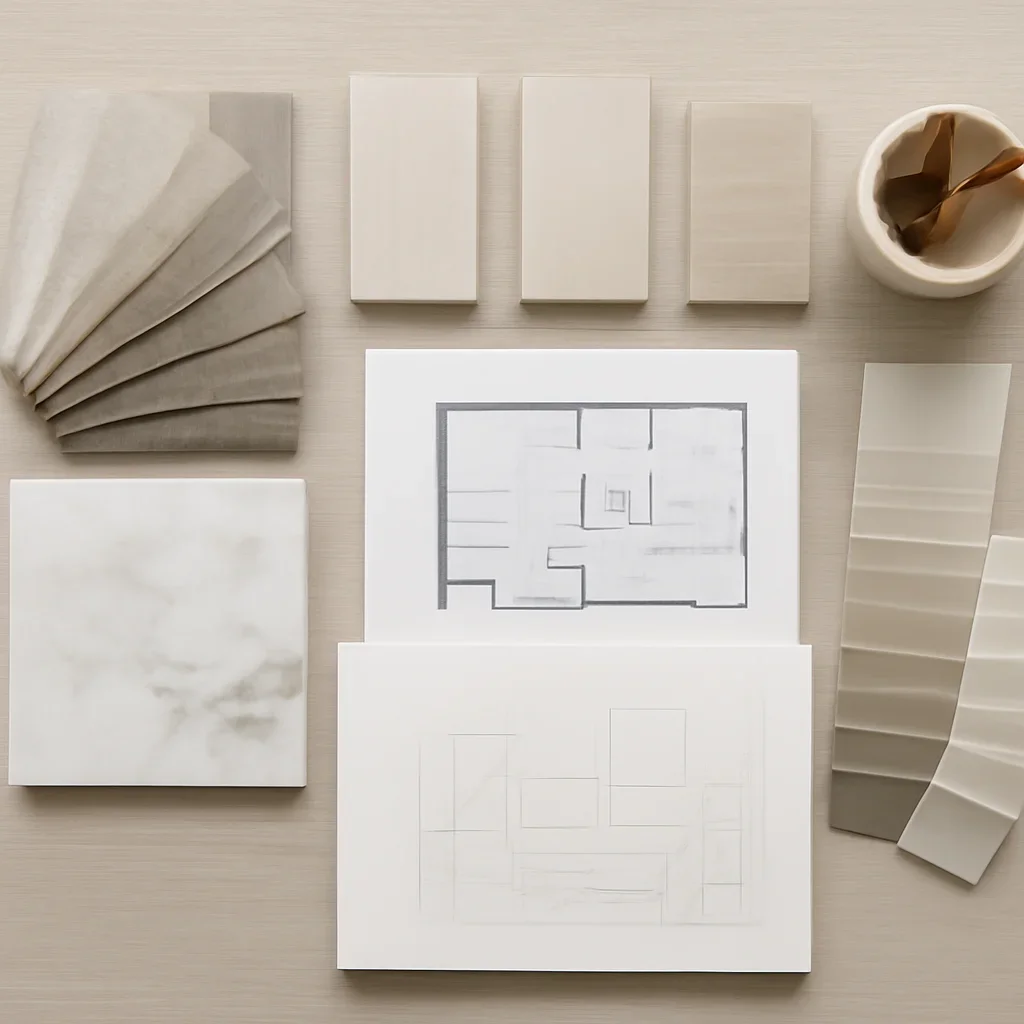
Side-by-side view
| Comparison point | Option A | Option B |
|---|---|---|
| Main focus | Visual styling, furnishings, colour, decor | Layout, function, finishes, furnishings, and broader project direction |
| Best for | Refreshes, finishing layers, cosmetic updates | Renovations, space planning, kitchens, bathrooms, condos, and multi-room projects |
| Construction involvement | Usually limited | Often involved when layouts, drawings, selections, or trade coordination matter |
| Storage and built-ins | May advise visually | Can help shape custom solutions around how the space is used |
| Project complexity | Lower complexity, more surface-level scope | Higher complexity or more interdependent decisions |
Apply the comparison to your own project
For many Toronto projects, especially condos and renovation-led work, the question is less about style and more about how the space performs. That is where an interior designer often creates the most value. You can see that kind of work on our services page and in the portfolio.
A short consultation can often make this decision much easier because it puts the choice in the context of your home rather than general advice.