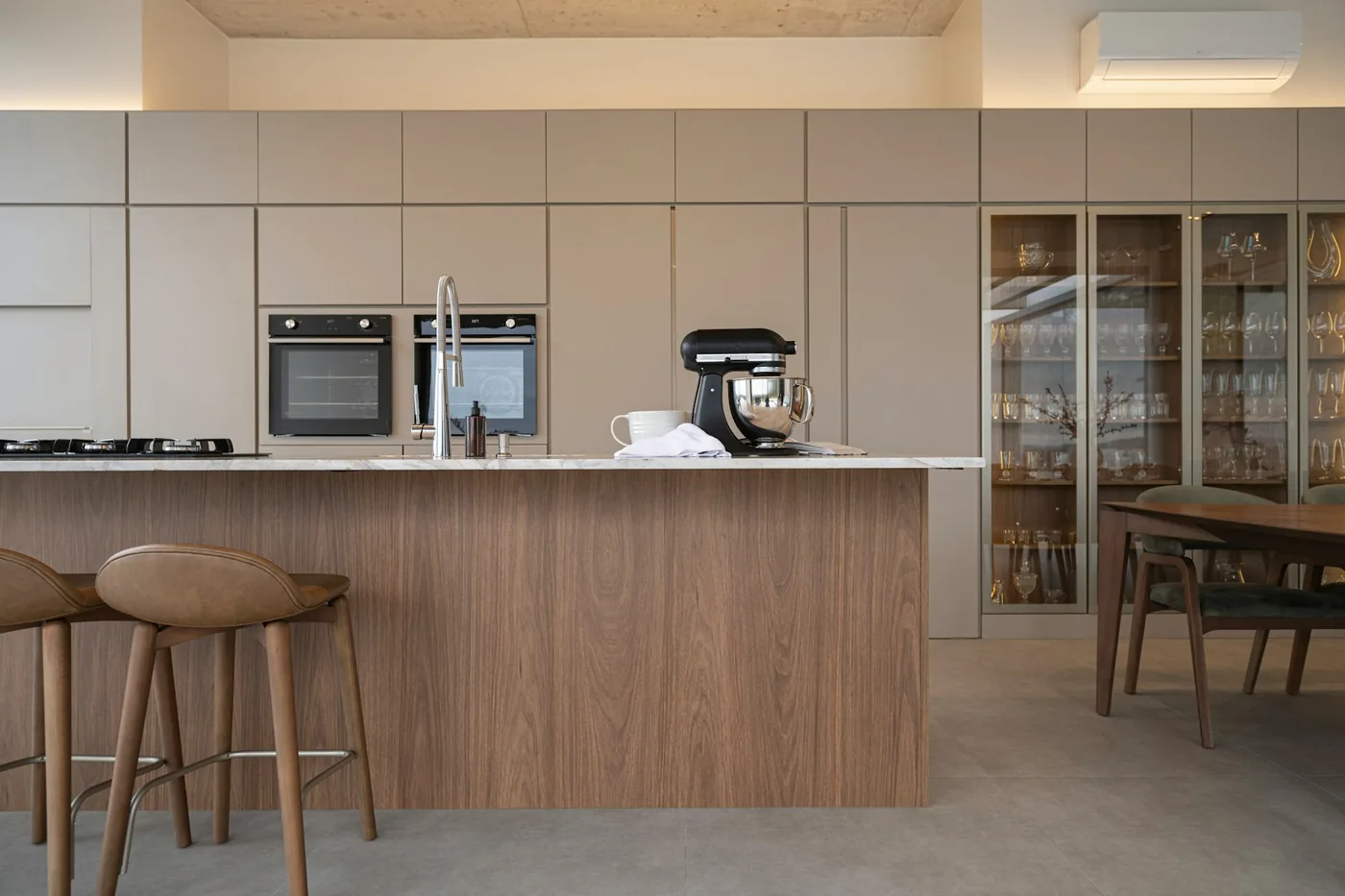
Let the fixed elements lead
Start with finishes that are staying: flooring, countertops, cabinetry, stone or a favourite large piece of furniture. Place new samples beside them to compare undertones, sheen and texture. A neutral is not neutral in every room; the same paint can look different beside warm wood, cool stone or a reflected colour from outside.
Look at the room through the day
Review samples in natural light and under the lighting you use in the evening. Move them between walls and take time to live with the choices. Small chips can be misleading, so use larger samples when practical. Look at the whole composition from the doorway as well as the close-up details.
Choose for touch and upkeep
Consider how each surface will be used, cleaned and repaired. Ask for upholstery care instructions, material samples and written dimensions before ordering. Check return policies, delivery routes, assembly and disposal requirements. A cohesive room can include old and new pieces; repetition of a few colours or material notes is often enough to make the mix feel intentional.
Start with a few useful details
- A palette anchored to what is staying
- Samples reviewed in real room lighting
- Furnishing choices checked for scale and care
Tell us your city, property type, priorities and timing. The enquiry is reviewed before the service format, availability, deliverables and fees are confirmed.
A little more clarity
Can you start with a paint colour I already love?
Yes. Include the exact colour and photographs of the room. It can become a starting point, but review it alongside the permanent finishes and the room’s changing light.
Do all the woods in a room need to match?
No. Different woods can work together when their tones, proportions and placement are considered. Use samples in the actual room to judge the combination rather than relying on separate product photographs.