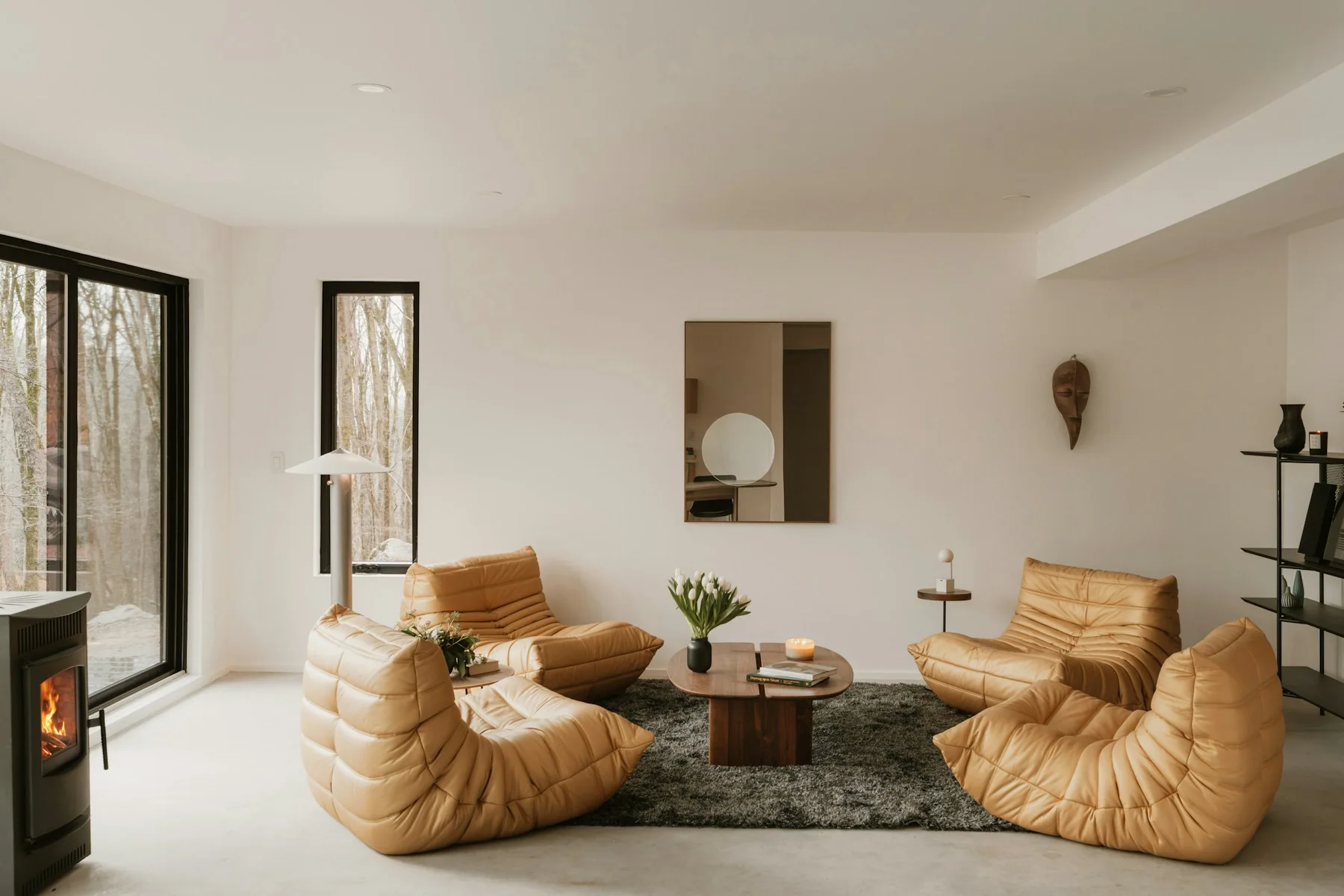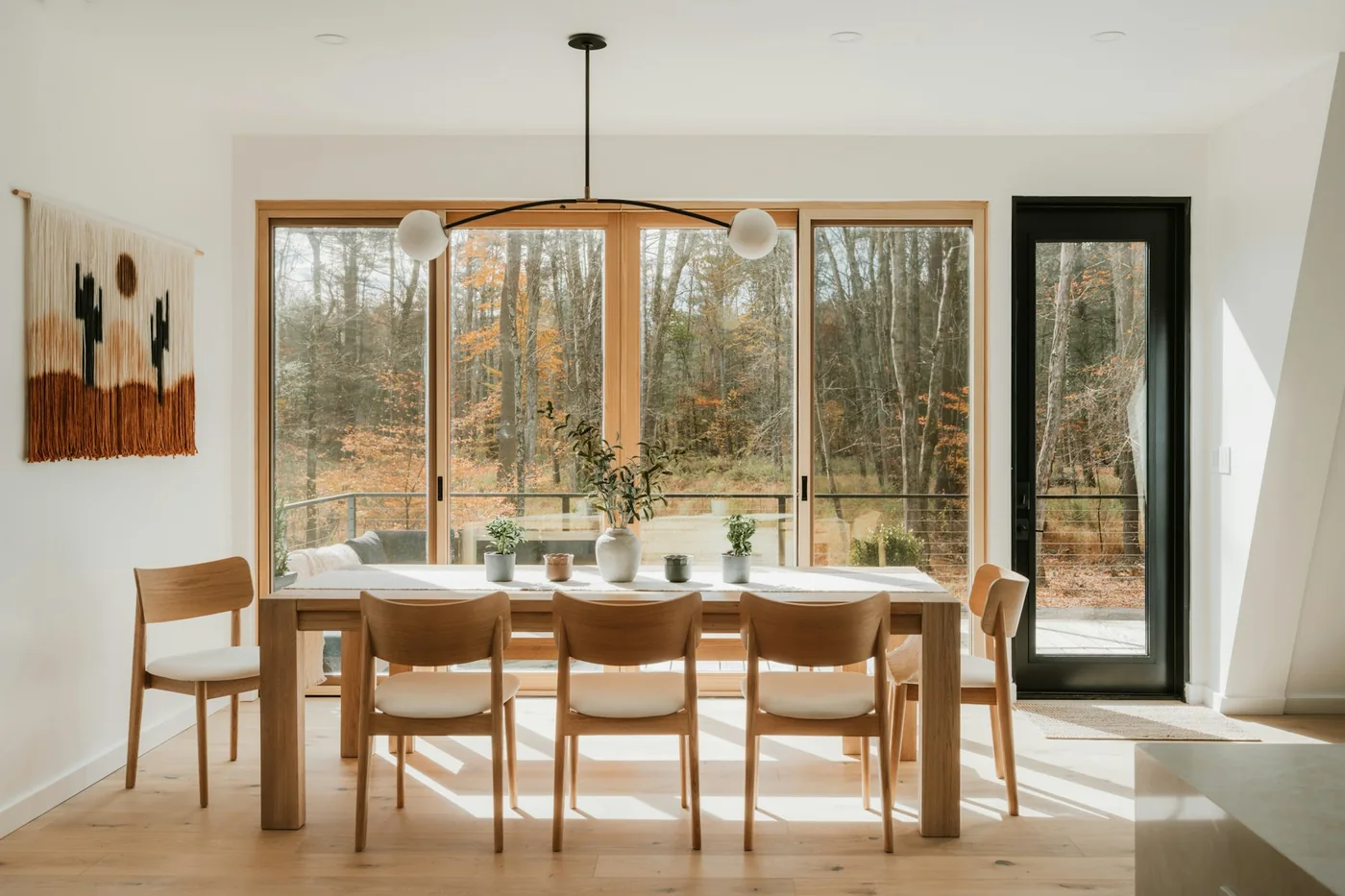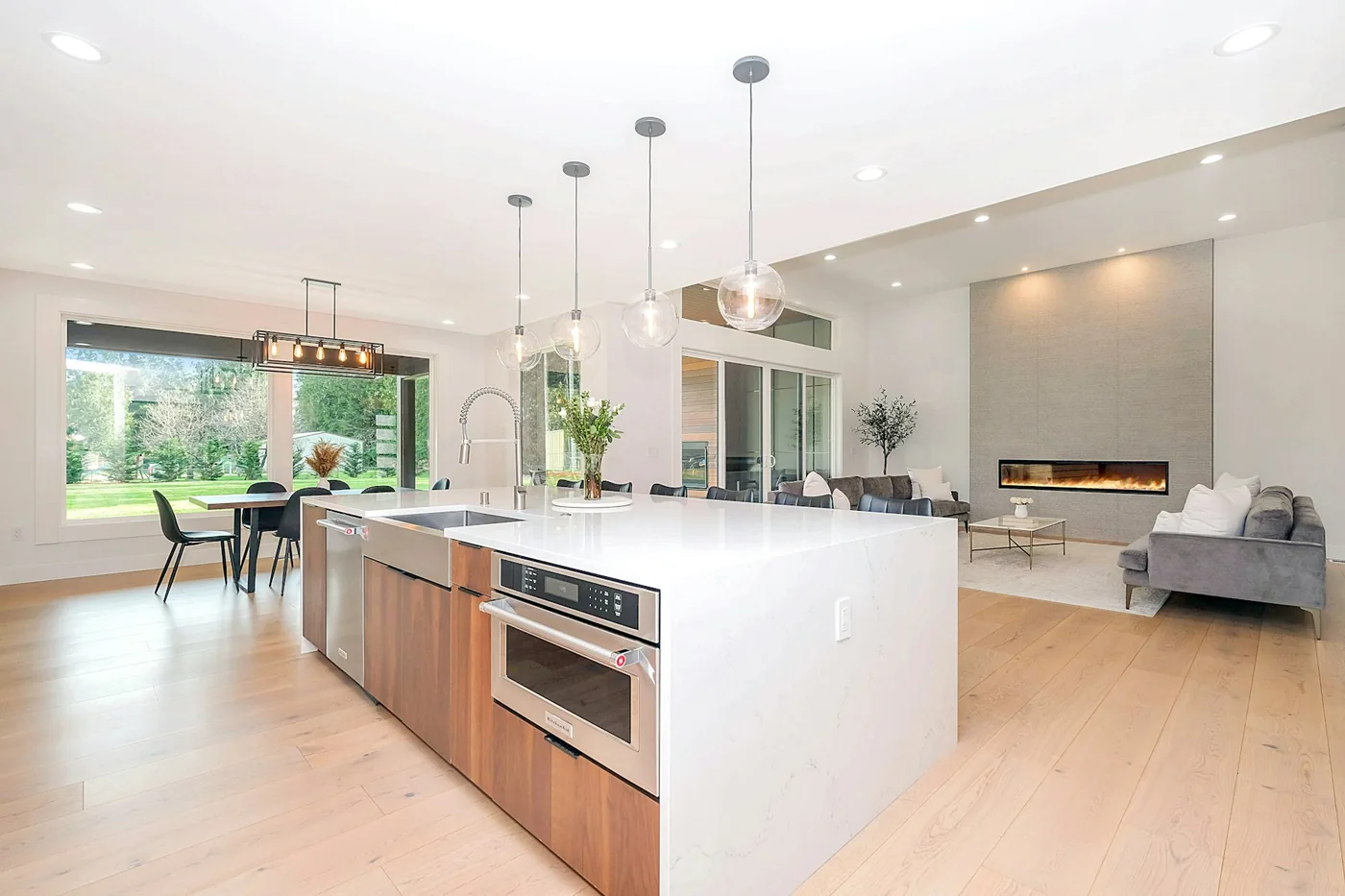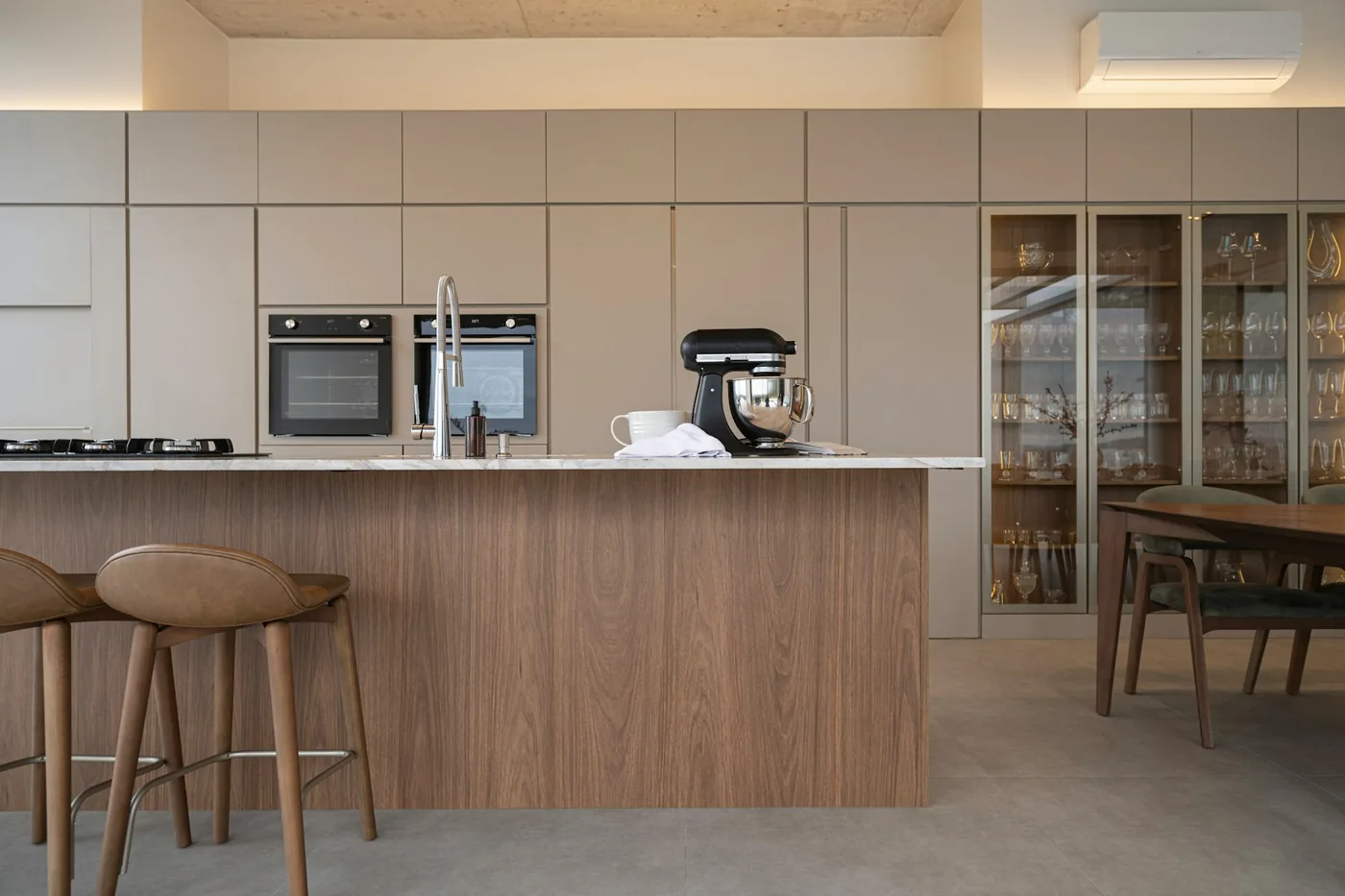
Interior design cost depends on the rooms, complexity, deliverables and level of involvement. Build separate allowances for professional fees, products, labour, delivery, taxes and contingency. Request a project-specific proposal rather than treating a general online price as a quote.
Separate the different kinds of spending
Start with design fees, then list furniture and finishes, construction labour, specialist services, permits where required, freight, storage, installation and taxes. A furnishing-only project and a renovation can use the same inspiration image while involving very different costs. Identify which items are already owned and which must be replaced. Keep optional upgrades separate from the essentials.
Understand the proposed fee model
A designer may quote a defined package, an hourly arrangement or a fee tied to an agreed project scope. Ask what each model includes, when extra work is charged and how you will be notified before going beyond the agreed allowance. An hourly rate alone cannot tell you the total cost; a fixed fee is useful only when its deliverables and exclusions are clear.
Ask about purchasing and product prices
Clarify who buys each item, whose name appears on the order, how trade pricing or markups work, and who handles damage, delays and returns. Product prices can exclude delivery, assembly or installation. Custom work may have different cancellation terms from a stock item. Ask for current supplier quotations before treating an estimate as a final commitment.
Decide what can happen in phases
If the full wish list is beyond the available budget, prioritize the changes that make everyday life easier. It may be sensible to keep a working layout, retain good furniture or complete the design direction before purchasing in stages. Check that an early decision does not create expensive rework later. For renovations, discuss concealed conditions and a contingency with the project team.
Compare the same brief
Give each prospective provider the same rooms, objectives, drawings and assumptions. Ask them to state what is included, what is excluded and what remains an allowance. A written comparison is more useful than choosing the lowest headline number. Review significant scope changes before approving them, and keep a simple record of agreed decisions and updated costs.
A checklist to keep
- Design and professional fees
- Furniture, finishes and fixtures
- Trade work and installation
- Delivery, storage and taxes
- Contingency and optional upgrades
This guide provides general design and project-planning information. Verify product specifications, property conditions and local requirements with the relevant professionals for your project.