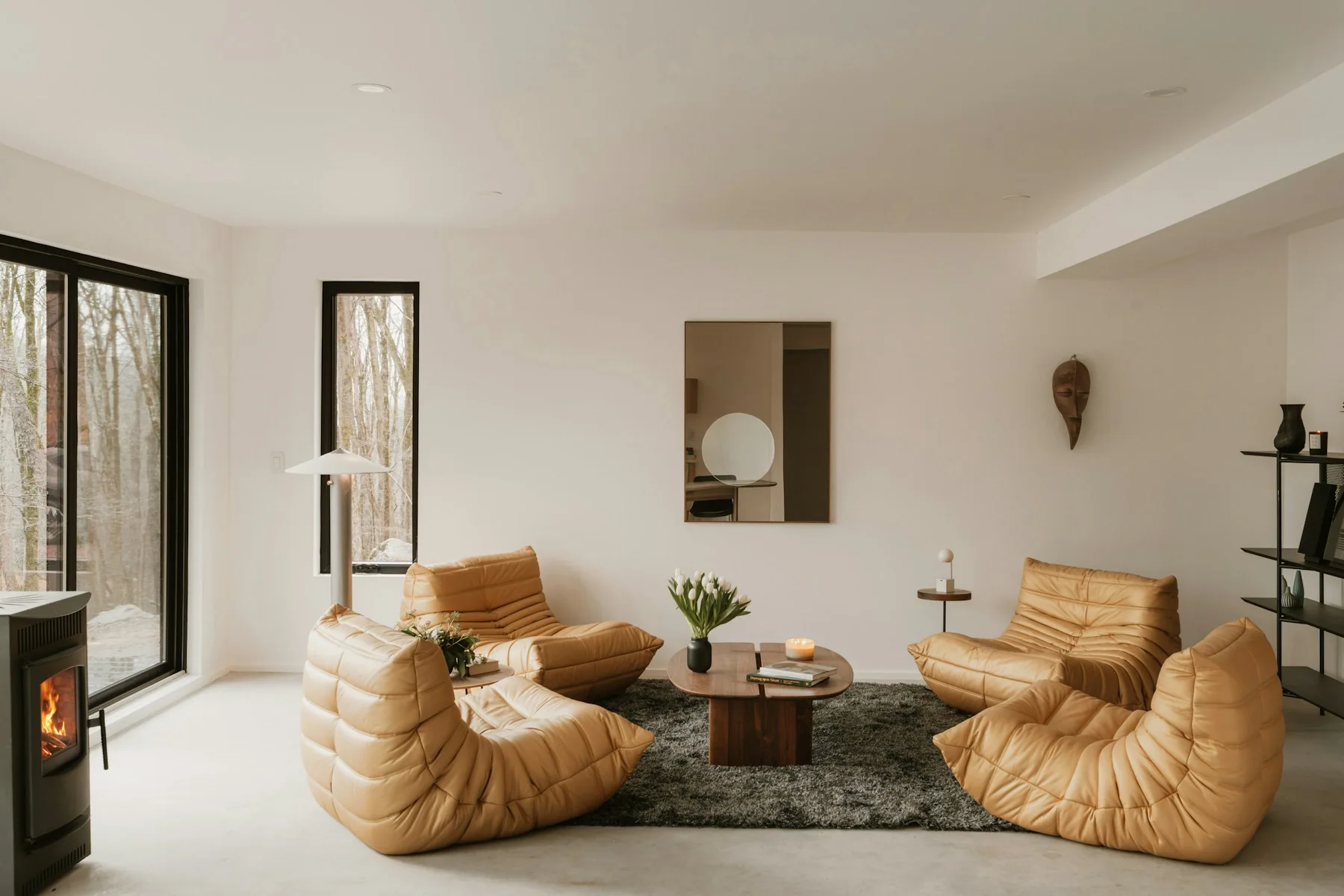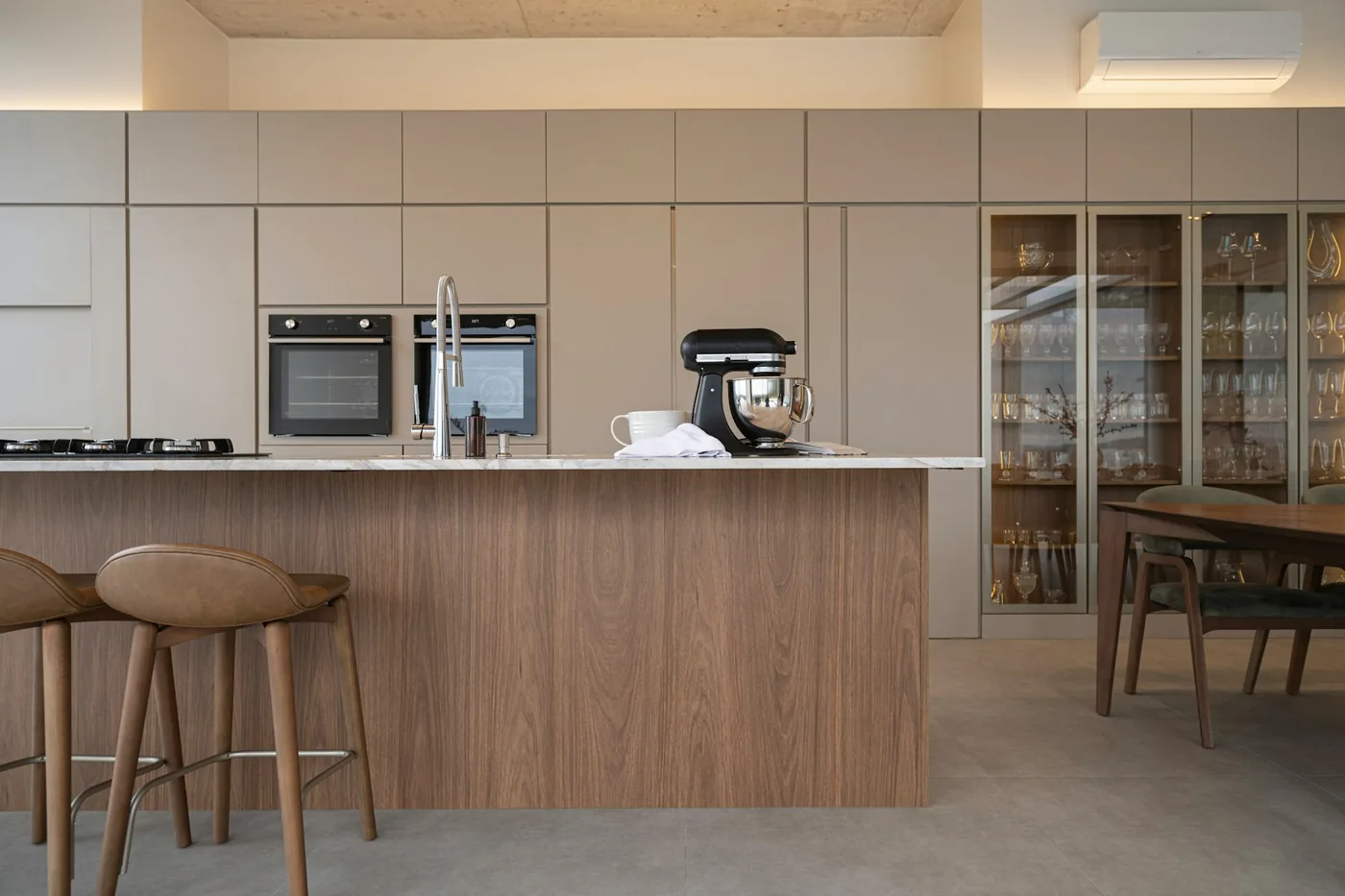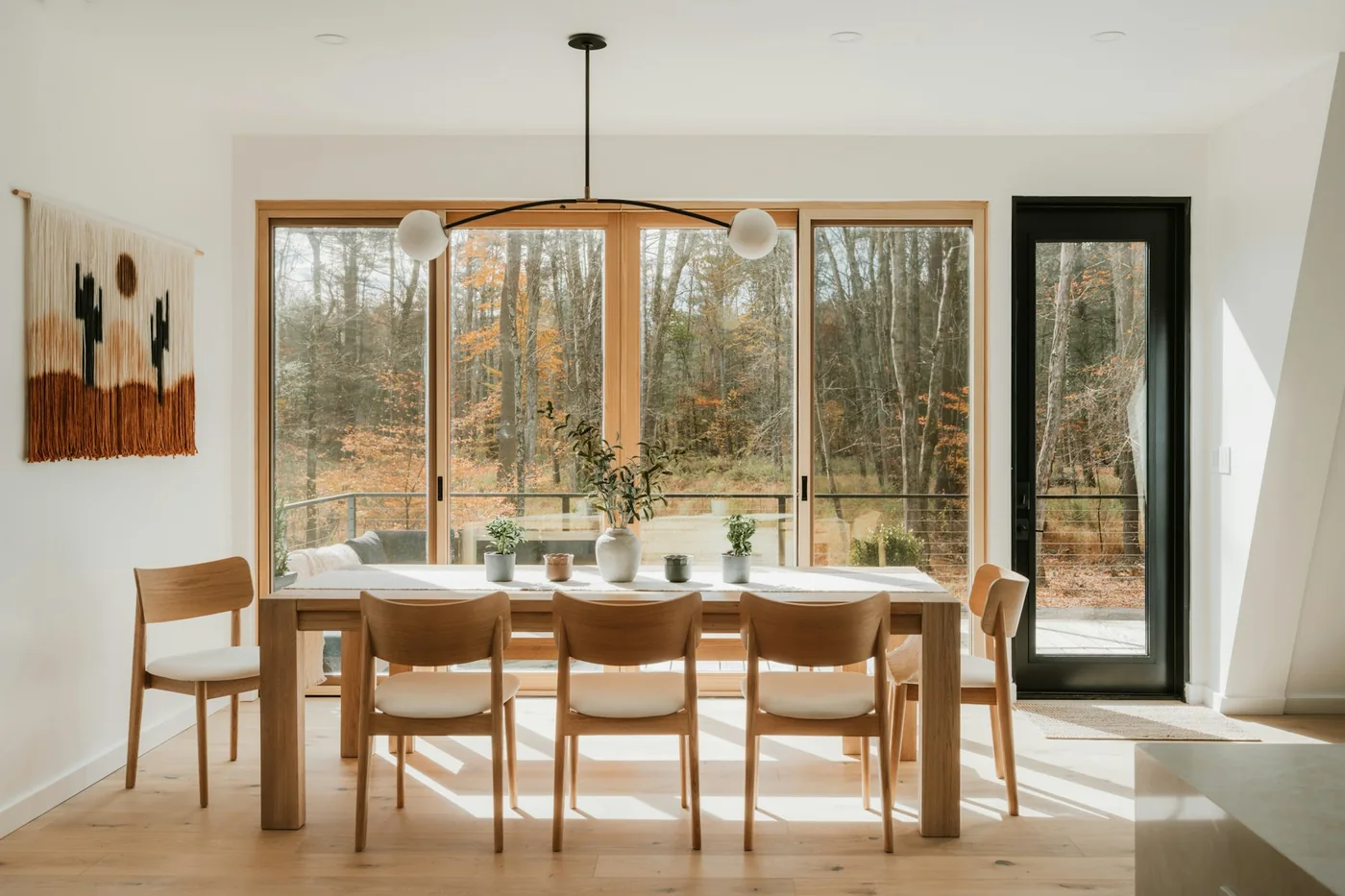
Improve a small room by planning circulation, choosing furniture for its actual dimensions, placing storage near daily tasks and using layered lighting. Test the arrangement before purchasing; a few well-chosen pieces can work better than many miniature ones.
Protect the useful paths
Mark the routes between doorways, windows, seating and storage. Include the space needed to pull out a chair or open a drawer. Keep those routes clear before deciding where a decorative piece might go. In an awkward room, a slightly smaller table or a different sofa position can make more difference than a new colour scheme.
Choose scale, not just smallness
Several tiny pieces can make a room feel busy. Compare the height, depth and visual weight of furniture as well as its width. A single properly scaled storage piece may be calmer than many small units. Use tape on the floor to test dimensions and include the space you need around the item, not just its footprint.
Give each object somewhere to return to
List what ends up on the floor or dining table at the end of a normal day. Create storage close to the activity: a place for keys at the entrance, work equipment near the desk and blankets beside seating. Avoid filling every wall with storage before deciding what needs to live there. Leave enough open space for the room to feel easy to use.
Use light to give the room layers
Combine the light needed for specific tasks with softer light for the rest of the room. A lamp near a chair or a focused work light can make one space support different activities. Check reflections and glare from the positions where you sit. Light-coloured finishes can be useful, but they are not a substitute for a layout that works.
Keep personality in the edit
Choose a few pieces that give the room meaning: a painting, a favourite textile, books or a plant in the right light. Repeat a small number of colours or textures to connect them. The aim is a room with less friction, not a room without evidence of the people who live there.
A checklist to keep
- Measure routes and opening clearances
- Test furniture outlines before ordering
- Store things near the activity
- Layer task and ambient lighting
- Keep the objects that matter
This guide provides general design and project-planning information. Verify product specifications, property conditions and local requirements with the relevant professionals for your project.